


Can you really start something that pays $50 or more an hour after 60, without going back to school for two years? Yes, and here is what decides it.
Picture a 62-year-old in a mid-size metro with 10 to 25 spare hours a week, a home office, reliable internet, a car, and a resume that ends in a retirement date. The first search result is a multi-thousand-dollar certificate program. The second is an ad about earning from home.
not one of these 13 roles requires a new degree. Most cost $0 to $300 to start, and only photography, web design, and organizing supplies climb into the $300 to $1,500 range. The rate track shows how specific the skill is, not how fresh the certificate is.
So you get 13 roles that pay $50 or more an hour, each with the experience it reuses, the startup cost, and the one credential worth verifying. All rate figures are gross and pre-tax, and they vary by city and client.
Then pick by the skill you already have, the budget you want to spend, and how much client-facing work you actually want. Run one small paid project inside those 10 to 25 hours. Through former employers, trade groups, local nonprofits, and referrals, a first paying client typically lands in 2 to 6 weeks.
Quick Tips Before You Start
Quote the outcome
Price the project, not the hour — a $900 scoping review lands better than "eight hours at $112".
Verify before enrolling
Call the official body — state board, IRS, credentialing board — and ask what they require before any course takes your card.
Build three samples
Three before-and-after examples beat a certificate in nearly every service field on this list.
Work your old network
For most readers the first paid project comes from a former employer or trade group within 2 to 6 weeks.
Charge something on job one
A free first project sets your price at zero. Charge a reduced but real fee.
1. Industry consulting that sells judgment, not hours

The most common mistake here is treating consulting as a job search. You send out resumes, wait for a full-time posting, and hear nothing, because nobody hires a 62-year-old into a salaried management slot.
The fix is to sell one narrow decision instead. A smaller firm in your old industry will pay $75 to $150 an hour for two weeks of your time on a single pricing call, a hiring question, or a turnaround they are stuck on. You quote it as one flat project fee calculated from estimated hours, not an hourly meter, and the hourly range is just the reference behind the number. Startup runs $0 to $150: a one-page site, an invoice tool, a working phone and email.
One caution before you advise anyone. Finance, healthcare, and legal work carry rules on who may give advice and how, so check with the state regulator or professional body first. This suits a former manager with live contacts and the stomach to sell. 10 to 25 hours covers one or two clients.
💡 Tip: Quote the two-week review as one number. The hourly rate stays in your head as the math behind it.
What $50+ an Hour Actually Looks Like
2. Part-time bookkeeping billed five to fifteen hours a month

I watched a retired controller take on one client, finish the project in three weeks, and then sit with an empty calendar for a month waiting for the next call. Consulting pays well, but the work stops when the project does.
That same small business has a ledger that needs closing every thirty days, and the owner would rather hand it to someone they trust than learn it themselves. That is where the recurring money lives. You categorize the transactions, reconcile the accounts, run the payables, and hand over a clean set of reports. You charge a monthly retainer for 5 to 15 hours per client at $50 to $65 an hour, and two or three clients fill your week with the same predictable invoice arriving each month.
The timing matters more than people expect. Every month you wait is a month of recurring revenue you never billed, and the client who needed a close in January is still looking in March. Setup costs $50 to $150 for a QuickBooks or Xero subscription and secure document sharing.
One boundary to respect: a bookkeeping certificate is not a CPA license and does not cover tax or attest work. Confirm state rules with the board of accountancy before you offer anything past the books.
| Job | Typical hourly rate | Startup cost | Credential/equipment check | Best fit |
|---|---|---|---|---|
| Industry consulting | $75–$150 | $0–$150 | State regulator for regulated fields | Former managers with a live network |
| Part-time bookkeeping | $50–$65 | $50–$150 | State board of accountancy; not a CPA | Detail people with finance background |
| Seasonal tax prep | $50–$100 | $0–$150 | IRS PTIN plus state requirements | Former tax and accounting staff |
| Grant writing | $60–$100 | $0–$100 | Funder requirements vary; cert optional | Former teachers, administrators, writers |
| Editing and copywriting | $50–$90 | $0–$100 | No license; sample plus timed test edit | Clear writers with one field of depth |
| Online tutoring and test prep | $50–$80 | $0–$150 | Background check; subject verification | Former teachers and subject experts |
| Virtual executive assistance | $50–$65 | $0–$50 | References, NDA, background check | Organized former assistants and PMs |
| Website design and maintenance | $60–$100 | $300–$1,500 | Demonstrable platform skill; portfolio | Semi-technical troubleshooters |
| Healthcare claims auditing | $50–$75 | $0–$150 | Verify coding/auditing credential with board | Medical billing and coding backgrounds |
| Translation and interpreting | $50–$90 | $0–$150 | Court/medical credential varies by setting | Fluent bilingual professionals |
| Real-estate and event photography | $75–$150 | $300–$1,500 | Portfolio, turnaround, liability insurance | People with existing camera skill |
| Resume writing and career coaching | $60–$125 | $0–$100 | No license; never claim undocumented certs | Former HR, managers, recruiters |
| Senior move management | $50–$85 | $100–$300 | Local licensing and insurance check | Organized, physically able home visitors |
3. Seasonal tax prep with a hard April deadline

$50 to $100 an hour for four months of work. That is the whole pitch, and the reason so many retired professionals skip it is a belief that seasonal work is not real work.
The reframe is that a bounded season is a trial, not a trap. You work hard from January through April, then the calendar clears. Busy-season overtime pushes your total well past what the same weekly hours earn in a year-round role, and if you hate it, you are done by mid-April.
The gate is real and public, though. You need an IRS Preparer Tax Identification Number plus whatever your state requires, and you confirm both with the official IRS or state tax office before you pay a dollar for a course. Study materials and software run $0 to $150 if you already have a laptop.
This fits former accountants, bookkeepers, or tax preparers. It does not fit anyone who needs a calm schedule, because April 15 does not move for you or anyone else.
💡 Tip: Apply in November. Seasonal tax offices hire before the season, not during it.
4. Grant writing that lands before the funder's deadline

The fear is that you cannot charge $60 an hour for grant writing without a certificate framed on the wall, and the honest answer is that most funders never ask to see one. What they ask for is a proposal that arrives complete and on time.
Picture a small nonprofit two weeks out from a deadline, with a program director who knows exactly what the food pantry does and no idea how to say it in the funder's language. What they need is someone who can write the needs statement, build the budget narrative, attach the outcomes and hit submit before the portal closes. That is a writing job with a hard stop, and they will pay to stop worrying about it.
The rate runs $60 to $100 an hour gross, and most writers quote a flat fee per proposal built from an hours estimate. Ten hours of writing at $80 is an $800 quote; the client sees one number and you see a predictable afternoon. Startup money is $0 to $100, and that buys style guides and a spare evening on a portfolio page.
Two or three sample proposals do more for you than a course does.
Here is where the certificate question gets real, and where it needs a phone call rather than a purchase. Funder requirements shift by foundation and by state, and some do specify credentials for certain federal or state programs. Before you enroll in anything, call the specific funder you plan to write for, or check with the professional grant association, and ask what they actually require of a contract writer. The answer is usually no credential at all, and now you have it in writing.
This work suits former teachers, administrators, and anyone who has written for a living and can sit down and produce four pages that sound like the client. It does not suit anyone who finds a fixed submission date stressful rather than clarifying, because that date is the whole job.
First clients come from local nonprofits and trade groups, usually inside 2 to 6 weeks, and the widest opening is a program director who liked your last memo.
💡 PRO TIP
Verify the credential before the course
Call the official body — state board, IRS, or credentialing board — and ask what they require. Then ask which of their approved providers they actually recognize. That one call has saved readers more money than any budgeting app.
5. Freelance editing for people with subject depth

I took a copyediting contract at $65 an hour with nothing on my wall but a certificate from a weekend grammar course, and the portfolio sample is what closed it.
The work goes beyond proofreading: a former compliance officer tidying a compliance brochure, a former nurse tightening patient-education handouts, a manager writing a case study for a vendor who has the product knowledge and no writer. Projects commonly price at $50 to $90 an hour, but you quote them as one number: a 1,200-word case study estimated at eight hours comes out around $600, not an hourly meter the client has to watch.
Getting in costs $0 to $100 for style guides, a grammar tool, and a page with three before-and-after samples. The real gate is a paid test edit, and no license is required here. Expect two or three revision rounds, and put them in the fee so they are not a surprise.
6. Online tutoring that runs on school-year evenings

Block the school-year evenings on the calendar first, and let the rest of the week fill around them.
Tutoring is live: an hour of video with one student, working through homework, reinforcing a course, or drilling for the SAT, ACT, or a graduate entrance exam. The rate is $50 to $80 an hour, and the test-prep people quote near the top of that range, because a family paying for a score jump is not paying for a study hall. The trade is that someone else's calendar sets the week.
Set up three things and leave them: a $30 headset, a video platform, and a scheduling tool that blocks bookable hours in your evenings. Fill the slots once. Then stop negotiating times, because re-booking every week is the quiet reason people burn out.
Expect a background check and subject verification, and give them two weeks.
Demand peaks during the school year, so your 10 to 25 hours land evenings and weekends, and none of it survives without a quiet room and stable internet. It suits former teachers, tutors, and subject experts, and it does not suit a household where nobody is out of the room until nine.
🚦 From Zero to First Paid Project
Pick one narrow service
Choose the single role your existing skill maps to most directly, not the highest-paying one.
Verify the credential
Call the official body and confirm what is required before any course gets your card.
Build three samples
Assemble three before-and-after examples, or three relevant case notes, on one page.
Price the outcome
Set a flat project fee using your hourly range as the math behind it, not as the quote.
Call your old network
Contact three former employers and two trade-group contacts with the specific offer.
Charge on job one
Take a reduced but real fee for the first project and invoice it properly.
7. Virtual executive assistance aimed at principals, not postings

The common belief is that virtual assistant work is the low-priced end of the market. It is, if you answer administrative job postings. Target one or two busy principals instead, and the same calendar-and-inbox skill gets billed at an illustrative $50 to $65 an hour.
The system is a targeting rule, copied exactly: executives and small-firm partners only, one or two principals at a time, never a general posting board. Setup runs $0 to $50 — a shared calendar, a light CRM, secure file sharing. References and discretion are the whole resume, and an NDA plus a background check are common.
It is a relationship, several times a day, every week. If you want minimal client contact, this is the wrong bucket.
8. Website maintenance for small businesses that need it kept alive

Website maintenance is the small-business job of keeping a five-page site alive: updates, backups, a security patch schedule, a working contact form.
The permission here is to start with one site. Not a client roster, not a rebrand — one local dentist with a five-page site, built in 15 to 20 hours and quoted as a single project fee at an illustrative $60 to $100 an hour. Do that once and you have a portfolio, a reference, and a number to quote the next one. Small still counts because the second sale costs almost nothing: a monthly maintenance retainer on that same site smooths the gaps between builds, and the retainer is where the steady money sits.
The honest cost is the biggest one on the list after photography. Software, hosting, and a portfolio site run $300 to $1,500 starting from nothing, and that buys you a job where you own someone else's site security after the invoice clears.
Demonstrable WordPress skills and a portfolio are the entry ticket — not a computer-science degree. A semi-technical person who likes troubleshooting can do this. Someone who resents being the one called when the site goes down should pick a different site.
Start with one build. The retainer comes later, and only if you want it.
Learn It On the Way In, or Already Own It
Skills you can build while charging
- Grant writing — samples and a portfolio beat a certificate
- Editing — a timed test edit is the entry ticket
- Resume writing — credibility comes from hiring experience
- Virtual assistance — references and discretion are the resume
- Tutoring — subject verification, then book clients
Doors that need the experience first
- Healthcare claims auditing — cannot be learned on the way in
- Interpreting — casual language learners will not survive a clinical room
- Photography — the $75+ range assumes existing camera skill
- Tax prep — PTIN and state requirements come before the course
- Consulting — no recent relevant experience means no calls returned
9. Healthcare claims auditing that cannot be learned on the way in

Yes — and no other role on this list will meet you halfway.
Claims auditing means checking coded claims against documentation, flagging discrepancies, and supporting internal or payer audits, delivered in project batches that fit 10 to 25 hours a week at an illustrative $50 to $75 an hour. The trade-off is real: there is no learning on the way in. Web work lets a freelancer learn on the job; here the credentialing body, not the freelancer, certifies competence, and a coding or auditing certification may be expected before a single claim crosses your desk. Startup runs $0 to $150 for a secure home office and software if the employer does not supply systems access.
So verify first. Confirm requirements with the official credentialing body before paying for a course, because they differ by employer and by payer. If you have the billing, coding, or compliance background, the credential is a formality; if you don't, no course closes that gap.
A Sample 20-Hour Second-Act Week
10. Translation and interpreting at $50 to $90 an hour

$150 a week, on the low end of a $50 to $90 an hour range, is what 15 hours of translation work comes to before the first deadline even feels real.
The skill carries over cleanly from years of professional vocabulary. Where claims review demanded billing codes and payer rules, this work demands a second language and the particular words a hospital intake desk, a courtroom clerk, or a contract attorney uses all day. The structure is identical: one narrow vocabulary, one setting that defines the rules, one credential to confirm before any money moves to training.
Written translation is the slower product. You take a document, work through it on your own calendar, and return a finished file with a rate of $50 to $90 gross per hour. A 2,000-word contract translation at eight hours prices from that range, and the client pays for the finished document, not for your afternoon.
Live interpreting runs on a different clock. A 90-minute clinic intake, a 3-hour deposition, a 45-minute business call, each delivered in a scheduled block, billed by the hour with a reasonable minimum.
Medical and legal settings sit at the top of the range for one reason. An error in a diagnosis question or a legal answer carries consequences the client has already weighed. The plain business call pays less because the error costs less. What moves a practitioner up the range is not a longer resume. It is the depth of working vocabulary in one specialty.
The startup line runs $0 to $150: a quality headset, remote-interpreting software or a translation tool with a shared glossary, and a working file of specialty terms built from the reader's own years in the field. The 62-year-old retired clinic administrator whose home office already has internet needs only the headset.
Certification is the one gate that varies by setting, and it varies sharply. Court work often requires a court-specific credential, medical work may require a medical interpreter certificate, and a private business client may require neither. Before paying for any credential, call the specific court, state court administrator, or professional interpreter body that governs the work and ask whether they recognize what the course sells. A $400 certificate that a given client will not accept is $400 gone.
This role is for fluent bilingual professionals with working vocabulary in one field. A casual language learner's accuracy will not survive a medical or legal room, and the client will know. The 10 to 25 spare hours fit as one or two written projects a week plus a weekend interpreting block, and the first paid project typically lands in 2 to 6 weeks through a former employer, a trade group, or a local clinic that needs weekend coverage.
⚠️ COMMON MISTAKE
The $1,200 course trap
Buying training before confirming the requirement is the most expensive mistake on this list. Every credential in this article can be verified for free by calling the official body first. Do that call before your card comes out.
11. Real-estate and event photography, weekends only
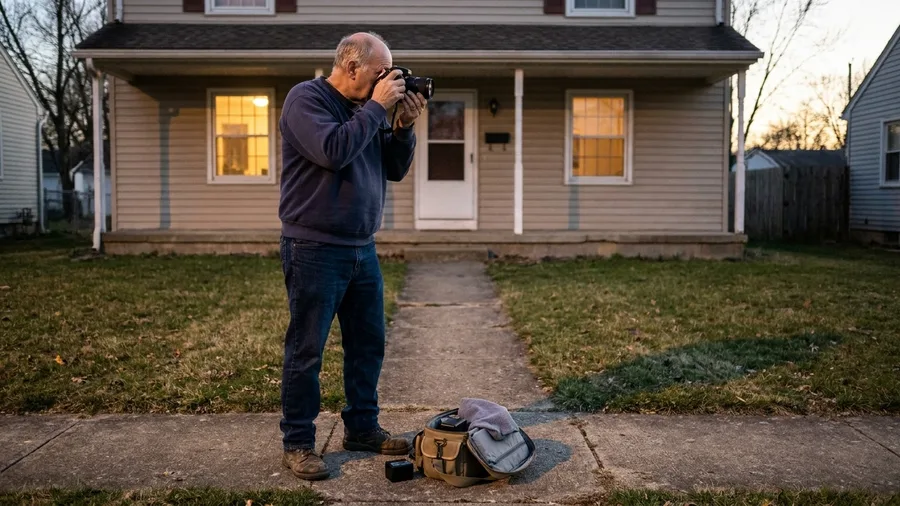
The belief worth knocking down first is that photography is a gear problem. It is a turnaround problem. Agents and event clients are buying edited images delivered on the promised day, and a $400 used body with one lens that arrived on time beats a $4,000 kit that shows up to a half-day real-estate shoot with files still on the card.
So the permission slip is this: do not start with a studio, and do not start with the full $300 to $1,500 outlay at once. Start with what you already own, book one weekend shoot for a local agent or a community event, and let that single edited package tell you whether the work fits before the second lens, the editing software, and the liability insurance get bought.
Weekends cluster by nature, so ten to twenty-five hours a week can arrive in two heavy days. If that rhythm does not suit you, scale back to one shoot a month rather than quitting the idea. The range of $75 to $150 an hour assumes existing camera skill and a two-day editing turnaround, and it rarely pays that on the very first booking.
12. Resume writing and career coaching from hiring-room credibility

Resume writing and career coaching sells what no equipment can buy: the judgment of someone who has read hundreds of resumes and sat in the room where the hiring decision was made.
The rate runs $60 to $125 gross per hour. Resume packages are usually flat-fee, priced from that range. A typical first engagement looks like a 90-minute coaching session plus a two-page rewrite, quoted as a single project price the client can approve without flinching.
Startup runs $0 to $100. A one-page portfolio site, a scheduling tool that handles a calendar without back-and-forth email, and two or three sample resumes with names and contact details removed. That is the whole capital requirement. The rest of the asset is the hiring history the reader already carries.
Certification in this example is optional. If the reader holds one, it needs to be documentable. If not, the portfolio and the specificity of the claim do the work. Never advertise a credential that cannot be produced on request, and never invent one to close a sale.
This work is a strong fit for former HR professionals, managers, and recruiters who have made real hiring calls. It is a poor fit for anyone uncomfortable marketing themselves, because the first client is buying the reader's credibility before there is a track record to point at. Clients arrive through former employers and trade groups within 2 to 6 weeks.
The review cadence is where this role either grows or stalls. At 30 days, count paid engagements and note the average project fee. If three projects have come in at $300 each, that is $900 for roughly 10 hours of work, which is under the middle of the range and a signal to raise the quote or narrow the client type.
At 90 days, look at where the clients came from. If every one arrived through a former employer and none through referrals, the network is carrying the business and the referral path is still untested. If referrals are arriving, raise the flat fee by 15 to 20% and see whether the close rate holds.
Once a year, review two numbers against the prior year: the average fee per project and the share of new clients from referrals rather than outreach. Flat or falling fees alongside a growing referral share means the pricing is behind the market. Rising fees with a stable referral share means the business is working. Adjust one variable at a time, and give each change two months before deciding whether it helped.
13. Senior move management, billed as one project number

Price the downsizing as one project number, not an hourly meter, and you fix the biggest mistake people make with this work before it costs them money. The mistake is quoting by the hour for a job that takes as long as the house takes. A two-week downsizing is one flat project fee scoped from estimated hours, and that protects both sides when day nine uncovers a garage nobody mentioned. The illustrative gross rate behind that quote is $50 to $85 an hour.
The work itself is exactly this: sorting a lifetime of possessions, packing, coordinating movers and the estate-sale or donation pickups, and being the calm presence on moving day. The person hiring you is not paying for muscle, they are paying for someone who does not flinch at the third attic.
Startup runs $100 to $300 for supplies, insurance, and a vehicle if one is not already on hand; the example reader's car covers the transport. Before the first job, check local business licensing and insurance requirements with the city or state, because this is the one line where doing the work uninsured can hurt you and the client at once.
So yes, it is physical enough to pay, and honest about the hours. Best for organized people comfortable working inside a downsizing client's home, with the stamina to carry boxes on the days that call for it. Not for anyone with lifting limits or a dislike of home visits, and no project fee is worth a back you spend the next month regretting.
The fix, then, is not to avoid the work but to quote it right: one number for the project, insurance in place, and the first paid engagement small, a single room or a single closet, before you commit to the whole house.
Frequently Asked Questions
Do I really need a certificate to earn $50+ an hour after 60?
For most of the thirteen roles, no. Grant writing, editing, resume writing, and virtual assistance sell samples and references rather than credentials. Tax prep, healthcare claims auditing, and interpreting are the exceptions — and even there the requirement varies by employer, payer, or setting, so verify with the official body before paying for a course.
How do I get my first client with no recent work history?
Start with people who already know how you work: former employers, trade-group contacts, and local nonprofits. A specific offer in the first sentence beats a general resume — "I do two-week pricing reviews for small manufacturers" gets a reply, "I consult" does not. In this example the first paid project typically arrives within 2 to 6 weeks of those calls.
Should I set up an LLC before I take my first client?
It depends on your state and your risk, and it is worth one conversation with a CPA or a small-business advisor rather than a guess — the filing fees, the tax treatment, and the insurance picture all move together. You can usually take a first small project as a sole proprietor while you sort that out.
How many hours a week does this realistically take to replace meaningful income?
At $50 to $100 an hour, 10 to 25 hours a week is roughly $2,000 to $10,000 a month gross before expenses and tax. That spread is wide because the rate spread is wide. Two clients at a lower rate can equal one client at the top of the range.
Is it too late to start if I have never freelanced before?
No, but the first month is selling, not working. Budget 2 to 6 weeks of calls and sample-building before the first invoice, and do not spend the startup budget on anything except the minimum needed to deliver one project.
What if I need the money immediately?
Then take the fastest-to-market role rather than the highest-paying one. Virtual assistance, tutoring, and bookkeeping need $0 to $150 and can invoice within weeks. Seasonal tax prep pays well but only from January, so it is a poor fit if the gap is this month.
Pick by what you already own, then make one call
The $50-plus rate is not bought with a course. It is the price of a skill you already hold, narrowed to one service and one type of client, and every role here starts for somewhere between $0 and $1,500, with most at $0 to $300.
Choose with three filters, in this order. Start with the existing skill closest to your last ten years of work. Then the startup budget: $0 to $300 for most service roles, $300 to $1,500 for photography, web design, and organizing supplies. Then your appetite for client-facing work, since editing, translation, and web design run asynchronously at a desk, while tutoring, interpreting, photography, and move management put you on a schedule in front of people.
Before you buy any training, verify one credential with the official state, IRS, or professional-body source, or run one paid small project: a scoping review, a single monthly close, a half-day shoot. Through former employers, trade groups, or local nonprofits, that first client usually lands in 2 to 6 weeks.
So come back to the question you typed. The search that opened with a multi-thousand-dollar certificate ends with $0 to $150 spent and one paying client. That is the second act: the first career, repackaged and priced by the hour, tested small before it is ever bought.
Run the three-part check tonight
Write down the skill you already own, the most you will spend to start, and the official body that must confirm the credential. Then make that one call before anything else.