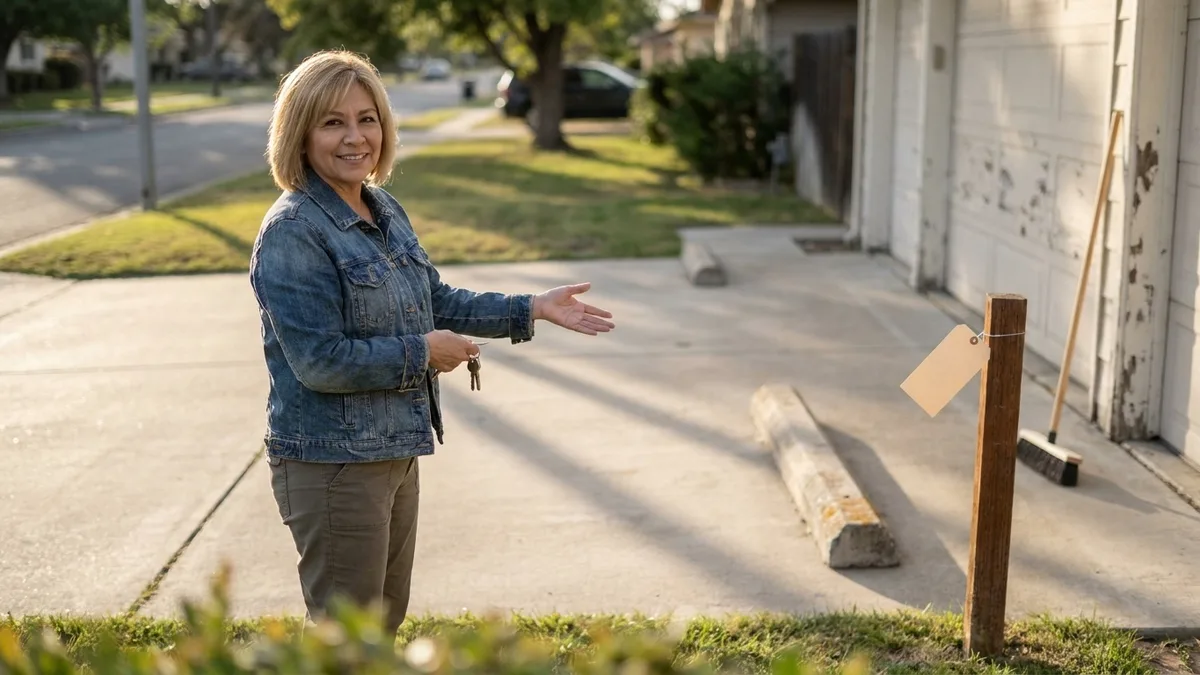
That spare bay, that empty driveway, that fenced backyard – they are already paid for, so any rent is pure profit. That is the belief, and it is almost right. The 20×20 garage with one clear bay, the 24×24 driveway, the 40×60 yard behind the fence: nothing new gets bought, nothing gets built. The money shows up for space you already own and mostly ignore.
Except the space does not set its own price. A platform does, and each one sells a different unit – a month, a night, a day, an afternoon – with its own service fee, its own access demand and its own insurance question riding along. Roughly $150 to $250 a month for the bay, $75 to $150 for the driveway spot, $50 to $100 an hour for the yard: those are gross numbers, and the platform is what makes them that size.
So the site worth signing with is the one whose catch this space can live with. Absorb the catch and the rent is real. Fight it and you will delist in six weeks.
What you leave with is a monthly figure for your own bay, driveway or yard, the one site out of ten that matches it, and the listing itself – 6 to 10 photos, a written description, stated hours of access, 15 to 30 minutes to post, first inquiry usually inside 1 to 3 weeks.
Quick Tips Before You Start
Shoot 6 to 10 photos
Photograph the space from the street, the inside, and the corners — the platform uses them as your listing.
Write the access hours
Name the exact window renters can come and go: “7am-7pm weekdays, 9am-5pm weekends” beats “flexible”.
Call your insurer first
Ask whether a paying renter's vehicle or belongings are covered under your current policy; you may need an endorsement.
Check your lease and HOA
If you rent or have a homeowners association, get written permission before the first listing goes live.
Clear the bay fully
The space has to be reachable without moving your own car, mower or bikes — that is the deal-breaker for renters.
Track every dollar
Rental earnings are reportable income. Keep a simple spreadsheet of gross rent, fees, and payout dates.
1. Neighbor: The Catch-All Space Marketplace
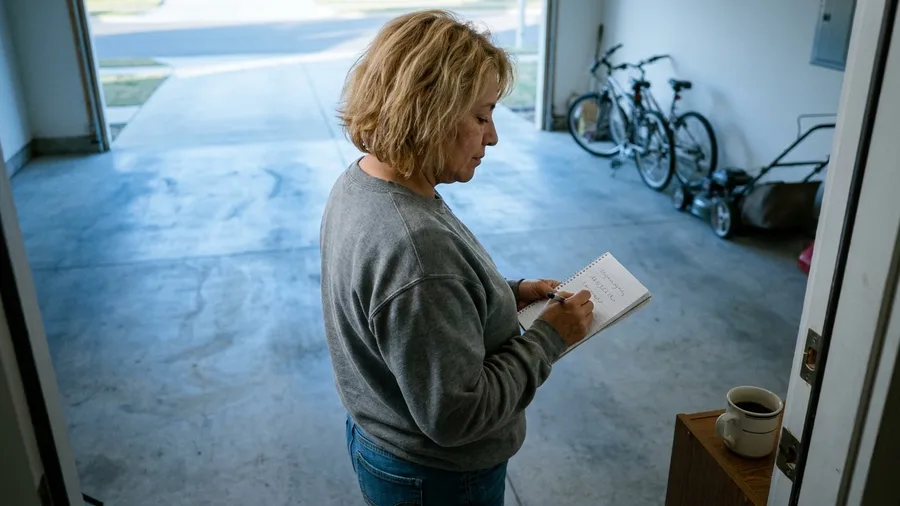
Start with Neighbor when the space is simply empty, because nobody lists more kinds of it. Garage bays, driveways, closets, basements, even a backyard pad wide enough for an RV or a trailer all go up on one marketplace, which means the widest pool of renters of the ten is looking at your listing on day one. The 20×20 two-car garage with one clear bay typically rents for $150 to $250 a month; a spot on the 24×24 driveway brings $75 to $150. Treat those as gross, because every site in this group skims its own service fee and pays out by direct deposit or PayPal, usually one to five business days after a rental starts.
The structure that works: one bay, one listing, one monthly renter.
That only holds if the bay stays reachable without shuffling the household's own car, mower or bikes out of the way every time someone arrives. Monthly renters expect near-24/7 access, and a bay that also stores the mower turns a rental into a daily argument. The bay that earns cleanly is the one empty all year, so the first move is to walk out and check which of yours actually is.
💡 Tip: List only the bay that is empty today — not the one you plan to clean out.
| Site | Space it fills | Illustrative payout | Main catch |
|---|---|---|---|
| Neighbor | Garage bay, driveway, closet, basement, yard | $150-$250/mo garage bay; $75-$150/mo driveway spot | Renter wants near-24/7 access; bay must stay clear |
| Spacer | Monthly parking in driveway or garage | $75-$150/mo driveway spot; $150-$250/mo garage bay | Commuter wants rush-hour in-and-out; must be near transit |
| StoreAtMyHouse | Household goods, boxes, furniture | $50-$100/mo for 10×10 ft garage corner | You mind other people's belongings; damp and pests become your problem |
| ParkStash | Commuter parking spots | $75-$150/mo per driveway spot | Spot must be empty every day it is listed |
| Pavemint | Event and airport parking | $10-$25 per event; $75-$150/mo airport parking | Lumpy event-driven income; someone must be home to let cars in |
| Peerspace | Backyard, garage or outbuilding by the hour | $50-$100/hr with 3-hour minimum | Hosting means bathrooms, trash, noise and possible permits |
| Giggster | Driveway, garage, exterior for film/photo crews | $400-$800/day | Crews need truck parking and power; one booking eats a whole day |
| Splacer | Backyard for showers, dinners, small events | $50-$100/hr with 3-hour minimum | Running a venue; may require event insurance |
| Swimply | Pool plus surrounding yard by the hour | $50-$90/hr with 2-hour minimum | Water chemistry, safety and liability coverage; summer only |
| Craigslist / Nextdoor | Whatever you write up yourself | Full $150-$250/mo for garage bay (no platform fee) | No insurance, no dispute help, no screening; all yours |
2. Spacer: Monthly Parking, Storage on the Side

$75 to $150 a month is what a spot on that 24×24 driveway brings when the listing sits on a parking-first site instead of a general marketplace. The top bids for an empty bay come from drivers, not from people hunting box storage, and a site built around commuters exists to collect exactly those bids.
$75 to $150 a month for a driveway spot, $150 to $250 for a garage bay. Same square footage, same listing, and the check arrives at the same size.
The fee buys you scheduling and nothing else. What it cannot buy is a clear slab of concrete at 7:40 in the morning. That is the moment the whole thing turns on: a commuter publishes the hours they need, and then they want in and out at rush hour. In at 7:40am, out at 6pm, five days a week, and the spot had better be sitting empty when they pull up. Oversleep on a Tuesday and the household car is still parked across it, and you have a booking you cannot honor.
If the difference between the two sites is not the price, it has to be the clock. Parking money is bought with the household's morning, which is worth naming plainly before you sign anything. A reader who leaves the house by 7:15 anyway is selling something they were never using. A reader whose second car drifts in and out all day is selling a fight.
Location is the whole game. A driveway within walking distance of a train station or a downtown core fills and stays filled, because the renter is paying to stop hunting for a spot near their office. Put that same listing on a rural road twenty minutes from the nearest platform and it earns nothing, no matter how many photos you post or how reasonable the rent looks on paper.
So the concrete move is this: before you touch a listing, walk your own driveway at 7:30 on a weekday morning and count what is sitting on it. If the answer is nothing, list the two spots the 24×24 leaves open on one side, set the rate at $75 to $150 a month, and state access hours inside the window your household actually keeps. Give the platform 15 to 30 minutes and 6 to 10 photos, and expect the first inquiry somewhere in one to three weeks.
Leave it alone after that. The app handles the booking, the calendar and the payment, so the only job left on your side is the one piece of software that does not exist yet: keeping the pavement empty on the days you said it would be.
💡 Tip: Drive the route to the nearest station at 7:30am — if you would not park there yourself, neither will a commuter.
What a Spare Space Actually Pays
Illustrative rents for a mid-size Midwest city; your local market will differ.
3. StoreAtMyHouse: Boxes, Furniture, No Vehicles
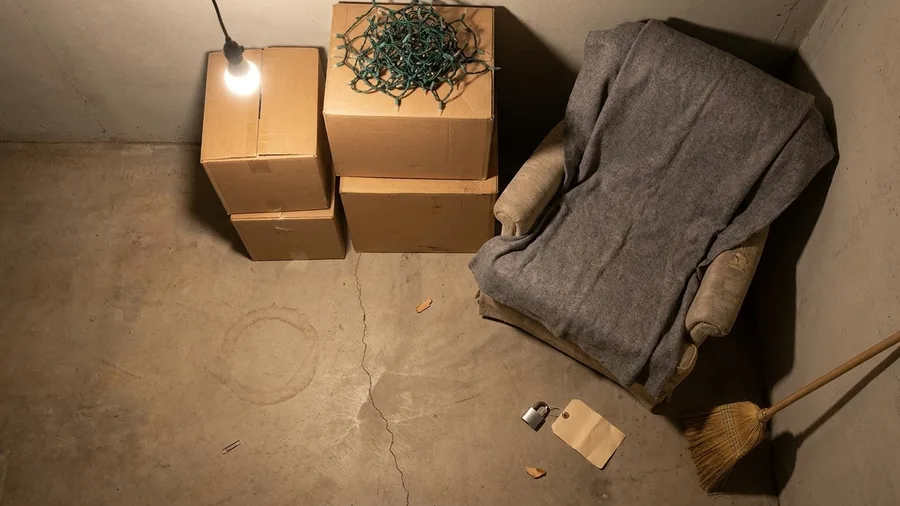
Rent the corner of the garage to somebody's furniture instead of somebody's car and the whole burden changes shape. A driver wants the bay clear on a timetable; a renter with boxes wants it dry and lockable and could not care less about rush hour.
What moves in is household goods – stacked cartons, a couch, holiday decorations – almost never a vehicle, and the rate follows the smaller unit: $50 to $100 a month for a 10×10 corner of the garage. That is roughly half what a parking renter hands over for the same slab, traded for a tenant who shows up twice a year instead of twice a day.
Set it up so the visits run themselves. Put a lockable cabinet or a marked corner in place, photograph the dry floor and the clear doorway, write the access hours into the listing, and hand the renter a key or a code so nobody has to be home to let them in – the same sites that pay for your photography have taught the framing. Then leave it alone – no scheduling, no morning shuffle. The catch stays yours: damp, pests and access are your problem, not the platform's, so a garage that takes on water is a dispute waiting to happen.
💡 Tip: Put a moisture absorber in the corner before the first box arrives — a $10 fix now beats a ruined sofa later.
💡 PRO TIP
Do the paperwork before the photos
A listing that gets three inquiries in week one is useless if your lease forbids subletting or your HOA bans stored trailers. Print your lease page, call your insurer, and confirm the city rule on stored boats and trailers first. Then shoot the photos.
4. ParkStash: Commuter Spots in Your Driveway
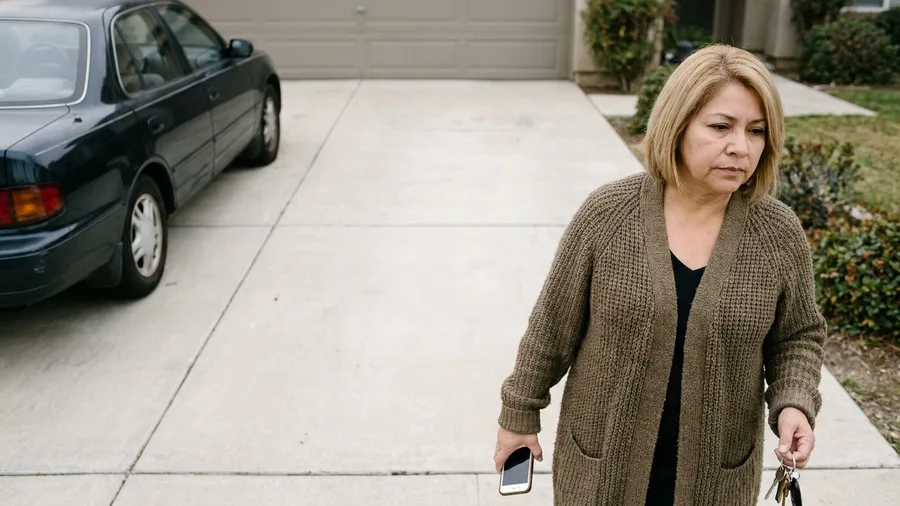
What you want is the app to do the booking and you to do nothing but keep the pavement clear, and that is close to what ParkStash sells. Monthly and daily spots in driveways and small private lots, with the scheduling, the payment and the renter messages all handled on the platform side.
The money is the same shape as the other parking listings, $75 to $150 a month for a driveway spot, and it runs toward the top of that band when the house sits steps from a station. A dry corner of a garage pays $50 to $100 and brings a renter who visits twice a year. Parking pays more per foot and brings one who comes back every weekday.
The catch is the calendar. Your spot has to be empty every single day it is listed, including the Tuesday you oversleep and the household car is still parked square on the only listable square of concrete.
The better fit is a property with more driveway than cars, and the 24×24 is exactly that shape: two household vehicles on one side, two open spots on the other, nobody shuffles anything in the morning. The service fee buys the scheduling. The one job left is the thing no app can do, and that is keeping the pavement clear.
💡 Tip: Set a phone reminder for 7:15am on the first weekday of every month to check the booking calendar.
⚠️ COMMON MISTAKE
Moving your own car every morning kills the rental
The most common mistake is listing a spot that shares a bay with the household car. Renters expect the space to be empty when they arrive, and a single blocked morning turns a $150 rental into a complaint. If your car lives in that bay, list the driveway spot instead.
5. Pavemint: Game-Day and Airport Parking
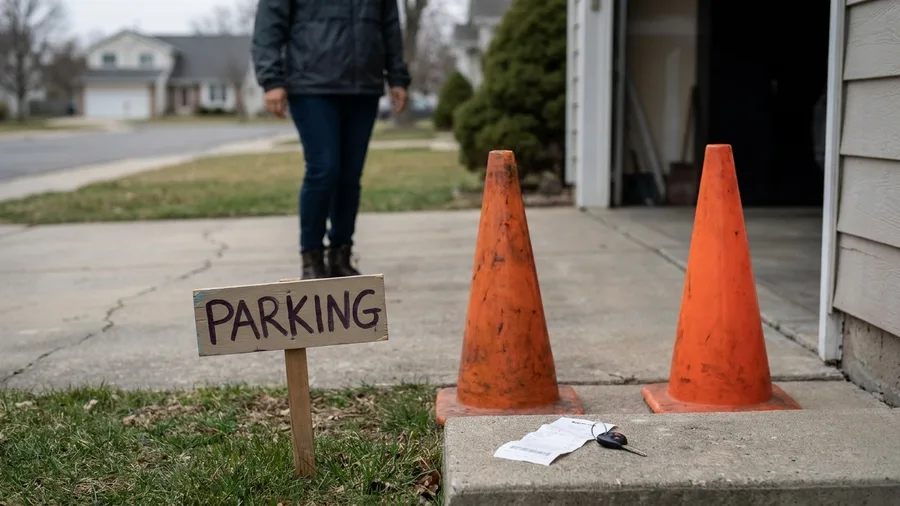
A colleague once told me he cleared $60 in one Saturday because four cars pulled into his driveway before a college football game, and he spent the rest of the weekend telling anyone who would listen. The next three weekends, nobody came. That is the honest shape of event parking.
Sites built around this sell a different unit than a commuter slot does: a few hours on the nights the calendar is crowded, mostly near stadiums and arenas and the roads running out toward the airport. One car pays roughly $10 to $25 for the evening. Four cars on a 24×24 driveway at $20 each is $80 for a single game night, which is a good night, not a monthly check. If you take on steady airport parking instead, the figure settles near $75 to $150 a month, the same range a commuter spot brings.
The trade-off is the calendar itself. Money arrives in clumps, and someone has to be standing there to swing the gate open each time, because a booking app cannot unlock a driveway by itself. A quiet cul-de-sac has no events to sell, however wide the pavement.
It is still worth it for the right house, and the deciding question is geography, not effort. What sits within walking distance sets whether the same concrete pays once a month or five times in a weekend.
💡 PRO TIP
One number to keep in front of you
Track gross rent, the platform fee and what actually landed in your account for the first three payouts. That three-line record tells you more about which site to keep than any article can.
6. Peerspace: The Backyard as an Hourly Venue
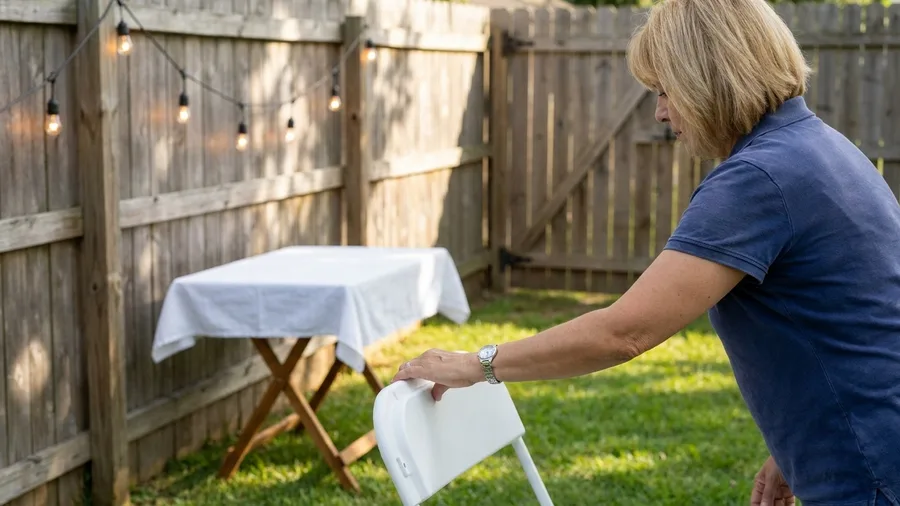
Renting by the hour flips the whole arrangement: the driveway sells the concrete under a car, and the grass behind it sells a party, a meeting or a photo shoot, at a much steeper rate per hour.
A 40×60 backyard typically lists at $50 to $100 an hour with a 3-hour minimum, so the smallest booking comes to $150 to $300. One booking can roughly match a month of driveway rent. You do not need a perfect venue to begin. Start with one afternoon booking on a date you were going to be home anyway, tell guests they get the yard and the path to the powder room, and see how the cleanup actually goes before you take a second.
The costs are real, though. Guests need a bathroom they can reach without walking through the house, the trash is yours, and tents or amplified sound can require a city permit, which is a question for city hall rather than the platform. Once you host, you are running other people's parties.
💡 Tip: Put a lock on the door between the yard and the living room, and point guests to the side gate.
Peerspace Booking — The Numbers Behind It
🎬 Film/photo day rate
$400-$800
💸 When the money lands
1-5 business days after the booking starts
📸 Listing effort
6-10 photos, 15-30 min to post
📩 First inquiry
Usually 1-3 weeks
🧾 Platform fee
Varies by site — check before you list
🚫 Skip this if
No reachable bathroom or your lease bans guests
The trade
Hourly hosting pays more per day but replaces a quiet tenant with cleanup, trash and noise complaints — and one bad review can pause bookings.
7. Giggster: Driveways That Photograph Well
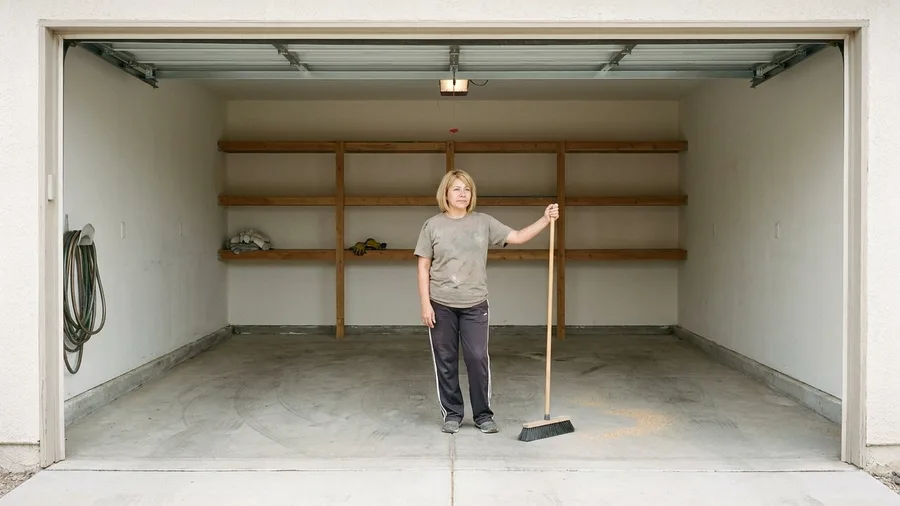
An empty garage is not an empty room. That is the first thing to get straight before the fear kicks in, because the fear is usually about whether a plain space could be worth anything to anyone. It can. A clean, photogenic garage and driveway can bring $400-$800 a day from a photo or film crew, which is two to four months of monthly storage rent for a single booking.
Here is the part that needs a professional. The bookable product is emptiness, so a family garage packed with bikes and mowers is the wrong product entirely, and no listing fixes that. Crews also need truck parking, working power, and the household cars moved before they arrive, and one booking eats the whole day from gate to wrap. Whether your homeowners or renters policy and your lease cover commercial shoots is a conversation with your insurer and your landlord, not something a platform answers for you.
💡 Tip: Shoot the garage at midday with the door open — that is the shot a location scout actually needs to see.
8. Splacer: Showers, Dinners and Small Parties

The belief goes that a yard is a yard, so the money is the same whichever site lists it. It isn't. A film crew pays for a blank wall and an empty slab, and a baby shower pays for something else entirely: a path from the curb to the patio that a grandmother in heels can walk without tripping, six folding tables that don't sink into the grass, and a bathroom door thirty guests can reach without crossing a single carpeted room.
This site sells the smaller, quieter version of that afternoon, and the numbers are close to what the film listings offer: $50 to $100 an hour on the 40×60 yard, three hours minimum. Thirty guests at $75 an hour is $225 for the evening. Then the guests leave and you are still out there at midnight with a bag of cups and a wet vac, and a neighbor two doors down who has not yet decided whether the noise was a problem.
So don't start by listing dates. Start with one booking, on a Saturday you would have spent at home anyway, in a season when the yard is already mowed. Set two or three clean hours of access, cap the guest count at twenty, and take the first one to see what the cleanup actually costs you in hours. A yard with a wide gate, level seating and tolerant neighbors is the only version worth scaling.
The catch sits in money and in the small print at once. This is a venue job now, not a parking lease, which means trash, bathroom, and a curfew the whole street has an opinion about. And the site may ask you to carry event insurance on top of your own homeowners policy – one more line item against the $225. Read that requirement before the first date goes live, not after. If only one booking a year sounds like plenty, that's not a failure. That is the correct size for most yards.
Monthly Parking vs. Hourly Events: Which Fits Your Yard
Monthly parking (Neighbor, Spacer, ParkStash)
- Steady $75-$250 a month
- One renter, one schedule
- Payout 1-5 business days after start
- Renter wants daily access, so your car must move
Hourly events (Peerspace, Splacer, Swimply)
- $50-$100 an hour with a 3-hour minimum
- $150-$300 per booking
- Multiple guests, cleanup and noise
- May need event insurance and permits
9. Swimply: The Pool and Yard by the Hour
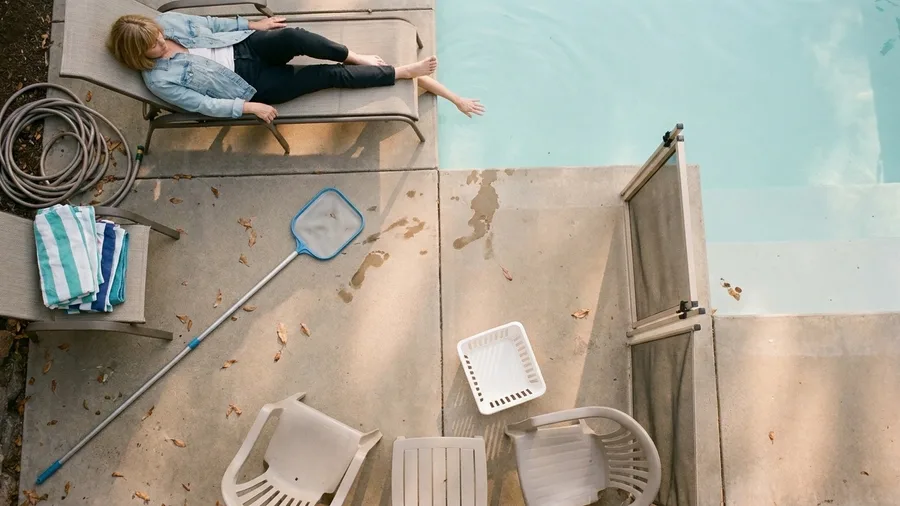
A friend of mine rented her pool out for a July birthday party and told me the part I would not have guessed: she spent the two hours before the booking fishing leaves out of the deep end and testing the water twice, and the two hours after scrubbing sunscreen off the coping. The $140 she cleared for the afternoon worked out to about $35 an hour of her own Saturday.
That is the honest math behind pool listings, and it is still real money for a feature that sits idle most of the week. The hourly rate runs $50 to $90 for pool plus surrounding yard, with a two-hour minimum, which puts a Saturday afternoon somewhere between $100 and $180. Guests come for the water first and the grass second, so the thing you are selling is the one part of the property that can genuinely hurt someone.
Which is exactly where people go wrong. The instinct is to shoot photos, set a rate and take the first booking while the weather holds, and treat the insurance question as something to sort out once the money is coming in. Do it the other way round. Call your insurer and ask, in plain words, whether a paying guest in the pool is covered by the policy you already have, and what an umbrella policy would add per year.
Timing is the other trap. In a mid-size Midwest city this income lands June through August, maybe twelve good weekends, while a garage bay keeps paying through the gray months. That is not a reason to skip the pool. It is a reason to line the two up so something is earning in every season.
The pool that works is fenced, with a self-closing gate and a bathroom guests can reach without walking through the kitchen. A shared pool or an unfenced one is not a listing, it is a liability with a calendar. Check the policy first, then post the photos.
💡 Tip: Test the gate spring monthly during swim season — a gate that does not latch is the fastest way to void your coverage.
10. Craigslist and Nextdoor: Keep the Whole Rent
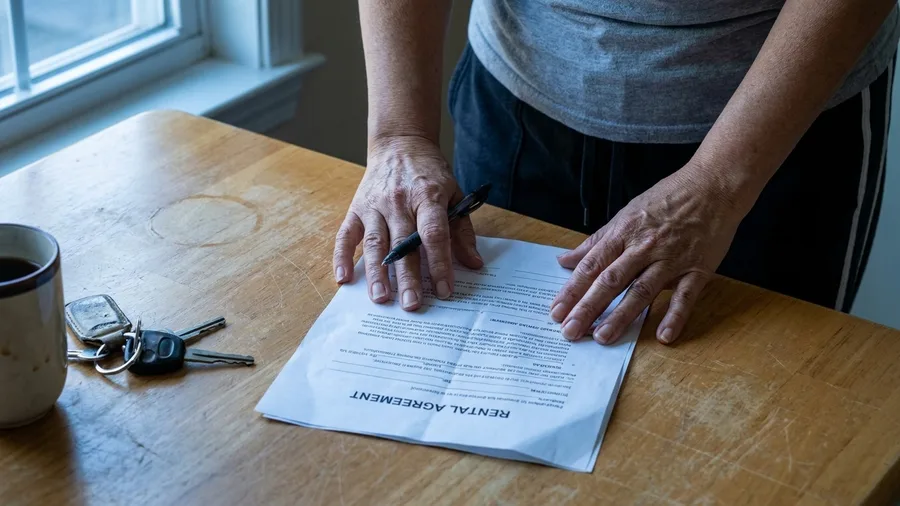
$0 in service fees sounds like the whole argument, and it is the one that most often gets people hurt. The belief worth naming here is that a platform's cut is money thrown away – that the 15 or 20 percent is just a tollbooth between the reader and a renter who would have shown up anyway. Strip the fee out and the same 20×20 bay still rents for $150-$250 a month, the same 24×24 driveway spot for $75-$150, the same backyard for whatever a written agreement can get. Nothing changes about the space. What changes is who does the work.
Whatever the reader writes up – bay, driveway, yard – goes on Craigslist, Facebook Marketplace or Nextdoor with a phone number and a price. The platform took a fee and handed back bookings, a payment rail, dispute help and some cover when a renter damaged something. Here the agreement, the screening and the collection are all the reader's, and so is the evening spent chasing a renter who is two weeks late on $200.
That is the trade in one line: the fee buys the hand-holding, and skipping the platform means buying it back with time. For a renter already known – a neighbor's contractor, a friend of a friend with a boat – the fee was covering a stranger risk that was not there. For a first-timer taking a stranger off a public post, it is covering the one thing they cannot do themselves: check who is parking on the property.
The $150-$250 is still rental income, and IRS.gov carries the current 1099-K threshold this article does not quote. One honest scale-down: post a single spot, not the whole driveway, and keep the price where the platforms put it – a lower price does not buy better renters, it just buys more of them.
Frequently Asked Questions
How much can I realistically earn from a garage bay?
For a clear 20×20 ft two-car garage with one empty bay, expect about $150 to $250 a month on the monthly-parking and catch-all sites. A 10×10 ft storage corner drops to $50 to $100. Every figure is gross rent before the platform's service fee, so your actual deposit will be lower.
Do I need extra insurance to rent out my driveway or backyard?
Call your insurer and ask in writing whether a paying renter's vehicle or belongings are covered under your current homeowners or renters policy. Many policies exclude business or rental use, so you may need an endorsement. For pool or event rentals, check liability coverage before the first booking — not after.
How quickly will I get my first renter?
The first inquiry typically arrives in one to three weeks, depending on how close your space is to transit, stadiums or a downtown. Listing with six to ten good photos and stated access hours gets faster responses than a bare description.
Do I have to report the rental income on my taxes?
Yes — rental earnings are reportable income, whether you use a platform or sell directly on Craigslist or Nextdoor. The platform may send a year-end tax form depending on the current threshold, which changes, so check IRS.gov rather than relying on a figure from an article.
What if my lease or HOA forbids renting out the space?
Then you cannot list it until you get written permission. Read your lease, ask the landlord, and check the HOA rules before you photograph the space. A listing that violates your lease is worse than no listing, because you may have to cancel bookings and refund renters.
Can I rent the garage bay and the driveway spot at the same time?
Yes, if each renter has independent access and one does not block the other. On the example 24×24 driveway, two household cars on one side and two listable spots on the other works. But if your own car has to move for the renter, the setup fails within a week.
Pick Your Space, Then Pick the Catch
Pick by what you actually have. The empty spare bay goes to Neighbor for the widest renter pool and the steadiest monthly rent. The driveway near transit goes to ParkStash or Spacer, where commuters pay for the morning access you already have. The photogenic or party-ready yard goes to Giggster, Peerspace or Splacer. The fenced pool goes to Swimply for the summer months. And if you want the whole rent and can manage a renter yourself, Craigslist and Nextdoor are there.
Before you sign up anywhere, do the one first move: settle the insurance, lease and HOA question, then shoot eight photos of the empty space. Your homeowners or renters policy, your lease terms, your HOA rules, your city's rules on stored vehicles, boats and trailers – the insurer, the landlord and city hall answer those, not a platform. That order keeps you from listing a space you cannot legally rent.
The bay is still empty and the driveway is still clear nine hours a day. What changed is that the number now has a source and a catch attached to it. The platform sets the rent. The space sets the risk. Settle the risk first and you are the one who keeps the rent.
Check the paperwork before you list
Open your lease, your insurance policy and your HOA rules today. Read the rental clause, call your insurer, and write down the answer. Then pick your site from the ten above.